
Mustang Performance Shop Communication: What to Expect

Table of Contents
- Why Communication Matters When Working With a Performance Shop
- Questions to Ask a Mustang Performance Shop Before Work Begins
- Understanding the Performance Shop Estimate and Approval Process
- Creating a Performance Shop Communication Checklist
- Setting Performance Goals and Horsepower Expectations
- How to Follow Up With Your Auto Repair Shop During the Project
- Handling Changes, Delays, and Unexpected Costs
- Final Verification and Handoff
- Frequently Asked Questions
Last Updated: October 19, 2026
Why Communication Matters When Working With a Performance Shop
Working with a performance shop on your Mustang is a partnership, not a transaction. The difference between a project that exceeds your expectations and one that disappoints often comes down to one thing: how well you and the shop understand each other.
Clear communication prevents costly mistakes. It keeps timelines realistic. It manages expectations about what's possible with your budget and your vehicle. At Paul's Automotive Engineering, we've seen firsthand how customers who ask the right questions upfront and stay engaged throughout the project end up with better results and fewer surprises.
When you're investing in performance upgrades, superchargers, engine kits, or custom tuning, you need to know what's happening to your vehicle every step of the way. A shop that communicates well will walk you through the process, explain what they're doing and why, and keep you in the loop about any changes. That's the standard you should expect.
Questions to Ask a Mustang Performance Shop Before Work Begins
Before you commit to a performance shop, ask specific questions that reveal how they approach communication and customer service.
Start by asking about their experience with your specific vehicle and the modifications you want. Have they done this exact upgrade before? How many times? What were the typical results?
Ask how they handle the approval process. Will they call you before ordering parts? Will they contact you if they discover something unexpected during diagnosis or installation?
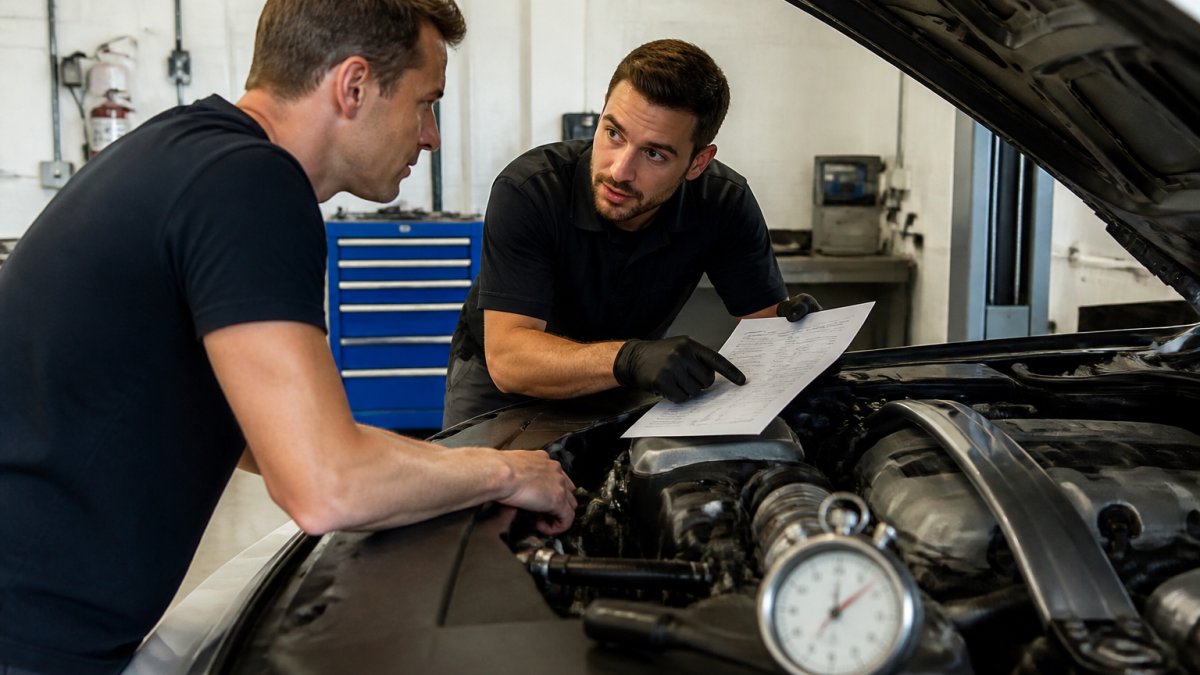
Find out what communication channels they use. Do they prefer phone calls, text messages, or email? How often will you hear from them? Will they send photos or videos of the work in progress?
Ask about their warranty and liability. If something goes wrong after installation, who covers it? What's their policy on warranty work? Understanding this upfront prevents disputes later.
Ask about their timeline. When can they start? How long will the work take? What factors might delay the project?
Understanding the Performance Shop Estimate and Approval Process
An estimate is more than a price quote. It's a contract that spells out what work the shop will do, what parts they'll use, and what you'll pay. A clear estimate prevents misunderstandings.
What Your Estimate Should Include
Your estimate needs to be specific. It should list every part that will be installed, every service that will be performed, and the labor cost for each task. Generic estimates like "supercharger installation: $1,200" don't tell you what's included in that labor.
A good estimate breaks down the work. It tells you:
- Which parts will be used and their part numbers
- How many hours of labor each task requires
- What diagnostic work will happen first
- What tuning or dyno testing is included
- What's warranty coverage and what isn't
- When payment is due (deposit, milestone, completion)
Ask the shop to explain anything you don't understand. If they won't take time to walk you through the estimate, that's a sign they won't communicate well during the project either.
Approval Before Additional Work Begins
Performance upgrades often uncover issues. Maybe your engine needs machine work before the new supercharger goes on. Maybe the fuel system needs upgrades to support the extra horsepower. Maybe your transmission needs reinforcement.
The shop's policy on extra work matters. Will they stop and call you before doing anything not on the estimate? Or will they proceed and surprise you with a bill at the end?
Insist on a written policy: no work beyond the estimate without your written approval. Some shops call with options and get verbal approval; others require email approval so there's a record. Decide which works for you, but make it clear upfront.
A reputable shop will never surprise you with unexpected charges. They'll present options, explain the costs, and wait for your go-ahead before proceeding.
Creating a Performance Shop Communication Checklist
A checklist keeps both you and the shop accountable. It ensures nothing falls through the cracks and that you both have the same understanding of what's expected.
Here's what to include in your performance shop communication checklist:
- Contact information (yours and the shop's primary contact)
- Project start and estimated completion dates
- List of all modifications being performed
- Parts list with part numbers and costs
- Total project cost and payment schedule
- Preferred communication method and frequency
- Approval process for any work beyond the estimate
- How you'll receive updates (phone, text, email, photos)
- Warranty terms and coverage
- Final inspection and handoff process
- Your performance goals (horsepower target, drivability expectations)
- Any known issues with your vehicle that might affect the work
Print this checklist, fill it out together with the shop, and both sign and date it. This becomes your reference document if questions come up later. It's not adversarial; it's clarity.
Setting Performance Goals and Horsepower Expectations
Know what you want before you walk into the shop. Vague goals lead to vague results.
Don't just say "I want more horsepower." Define it. Do you want to add 50 horsepower or 150? Do you want the car to feel faster off the line, or do you care more about top-end power?
These distinctions matter because they change what the shop recommends. A customer who wants 50 extra horsepower might need a tune and a quality exhaust. A customer who wants 150 might need a supercharger and fuel system upgrades. The difference is thousands of dollars and several weeks of work.
Tell the shop about your vehicle's current condition too. Is it stock? Does it have existing modifications? Any known issues? How many miles are on the engine? This context helps the shop recommend the right approach.
Email to schedule your appointment →
Discuss drivability expectations. If you're daily-driving the Mustang, you probably want it to feel normal around town and only unleash the power when you want it. If it's a track car, different rules apply. Make sure the shop understands how you'll use the vehicle.
How to Follow Up With Your Auto Repair Shop During the Project
Regular contact keeps the project on track. Don't be a pest, but don't be invisible either.
Agree on an update schedule before the work starts. Some shops do weekly check-ins. Others update customers at key milestones (parts arrival, diagnosis complete, work in progress, ready for pickup).
When you contact the shop for an update, be specific. Instead of asking "How's my car?" ask "Have the parts arrived yet?" or "Are you still on schedule to finish by December 15th?" Specific questions get specific answers.
If the shop doesn't contact you on schedule, reach out. A simple "Just checking in on the status" message keeps communication flowing. It reminds the shop that you're invested in the project and expecting regular updates.
Ask for photos or videos of key stages. Many shops can send a quick phone photo of the engine bay with new components installed, or a video of the car running on the dyno.
If you hear about a delay or issue, ask for details. What caused it? How will it affect the timeline? What's the plan to fix it? Understanding the problem keeps you from imagining worst-case scenarios.
Handling Changes, Delays, and Unexpected Costs
Projects rarely go exactly as planned. Parts get delayed. Inspections reveal hidden issues. Timelines shift. How the shop handles these situations defines the customer experience.
The moment a shop realizes there will be a delay, they should contact you. Not when the delay is already weeks old. Not when you call asking where your car is. Proactive communication about delays builds trust.
When unexpected costs come up, the shop should present them as options, not facts. "We found that your fuel injectors are undersized for the horsepower target. We can upgrade them for $X, or we can dial back the power target.
Never accept a bill for work you didn't authorize. If the shop did extra work without asking, push back. Refer to your written estimate and your agreement about approval for additional work.
If a delay pushes the project past your deadline, ask what the shop will do to make it right. Some shops offer discounts on labor. Others prioritize your car to get it done faster. Reasonable shops want to keep your business and will work with you.
Final Verification and Handoff
Before you pick up your Mustang, inspect the work and verify that everything meets your expectations.
Ask the shop to walk you through what was done. They should show you the new components, explain any modifications to your vehicle, and demonstrate that everything is working.
Review your invoice against the estimate. Are the charges what you agreed to? Are there line items you don't recognize? Ask about anything that doesn't match your estimate.
Take the car for a test drive with someone from the shop if possible. Feel how it performs. Listen for any unusual sounds. Ask the technician to explain what you should notice with the new modifications.
Get documentation. You should receive:
- A detailed invoice listing all parts and labor
- Warranty paperwork for the work performed
- Any tuning files or dyno results
- Maintenance recommendations for your upgraded vehicle
- Contact information for warranty support
Before you leave, confirm the communication channel for any post-installation questions. If something doesn't feel right after you drive the car home, you want to know how to reach the shop quickly.
Working with a performance shop doesn't have to be stressful.
At Paul's Automotive Engineering, we believe that expert installation of superchargers, engine kits, and performance upgrades starts with understanding your goals.
Frequently Asked Questions
How often should a performance shop update you during a Mustang build?
Establish an update schedule upfront. For most projects, weekly check-ins are standard; complex builds may warrant updates every 2-3 days. Ask your shop to define preferred communication channels, phone, email, or text, and the best times to reach them. Clarify what triggers an immediate call versus a routine status update. A shop that communicates proactively without you asking is a strong sign of professionalism.
What should you do if a performance shop misses its estimated completion date?
Contact the shop immediately to request a revised timeline and explanation. Parts delays, unexpected mechanical issues, or labor backlogs are common reasons. Ask for a written update with a new target date and any cost implications. If delays repeat or explanations are vague, escalate to the shop manager. Document all communication. A transparent shop will provide honest timelines and keep you informed of setbacks before they happen.
Should a performance shop get approval before adding work or parts beyond the original estimate?
Yes, absolutely. Any work or parts not in the original estimate should require written approval and a change order before proceeding. This protects both you and the shop. During diagnosis or inspection, a technician may discover additional repairs, a grinding noise, worn components, or compatibility issues, that weren't visible upfront. A reputable shop will present these findings, explain the cost and necessity, and wait for your approval before moving forward.
What information should a performance shop provide on a Mustang repair or upgrade estimate?
A complete estimate should list each part by name and part number, labor hours and rate, total cost, and timeline. It should specify which components are OEM, aftermarket, or refurbished. Include warranty terms for parts and labor, payment terms, and any prerequisites (e.g., tuning required after installation). Ask if the estimate covers diagnostics, test drive, and final inspection. A detailed estimate prevents surprises and gives you a clear basis for comparison and approval.

Leave a comment