


Quick Summary
A ford engine rebuild is a full mechanical restoration of an engine's internal parts, where every component is measured, worn parts are machined or replaced, and the engine is reassembled to specification. Whether it is worth the cost depends on whether the block is sound and the damage is limited, since replacement can be more practical when the block is cracked or machining costs approach a new unit.
- Ask for measured clearances and runout figures before the engine is reassembled.
- Get an itemized estimate separating machine work, parts, labor and contingency.
- Rebuilding suits sound blocks with limited wear; replacement suits cracked blocks or extensive damage.
- Low estimates that omit machine work or measurement checks often grow after teardown.
- Ask for a written warranty covering what it includes, how long it lasts, and labor.
Table of Contents
- What an Expert Ford Engine Rebuild Actually Involves
- Expert Ford Engine Rebuild Services Cost: What Drives the Estimate
- Rebuild or Replace: Deciding Between a Rebuild and a New Engine
- Common Ford Engine Problems That Signal a Rebuild
- How to Compare Expert Ford Engine Rebuild Services and Reviews
- Ford Engine Rebuild Warranty and Aftercare After Your Rebuild
- Booking Your Ford Engine Rebuild With Paul's Automotive Engineering
- Frequently Asked Questions
What an Expert Ford Engine Rebuild Actually Involves
Last Updated: November 14, 2026
A Ford engine rebuild is a full mechanical restoration of an engine's internal parts, not a simple repair. A rebuild means the engine is taken apart, every component is measured, worn parts are machined or replaced, and the engine is reassembled to specification. The goal is to restore the engine's original performance and durability, or to build it to a higher standard for performance work.
Most service pages stop at that description. What follows is the actual sequence a rebuild follows, with the checkpoints that separate a measured rebuild from a parts swap.
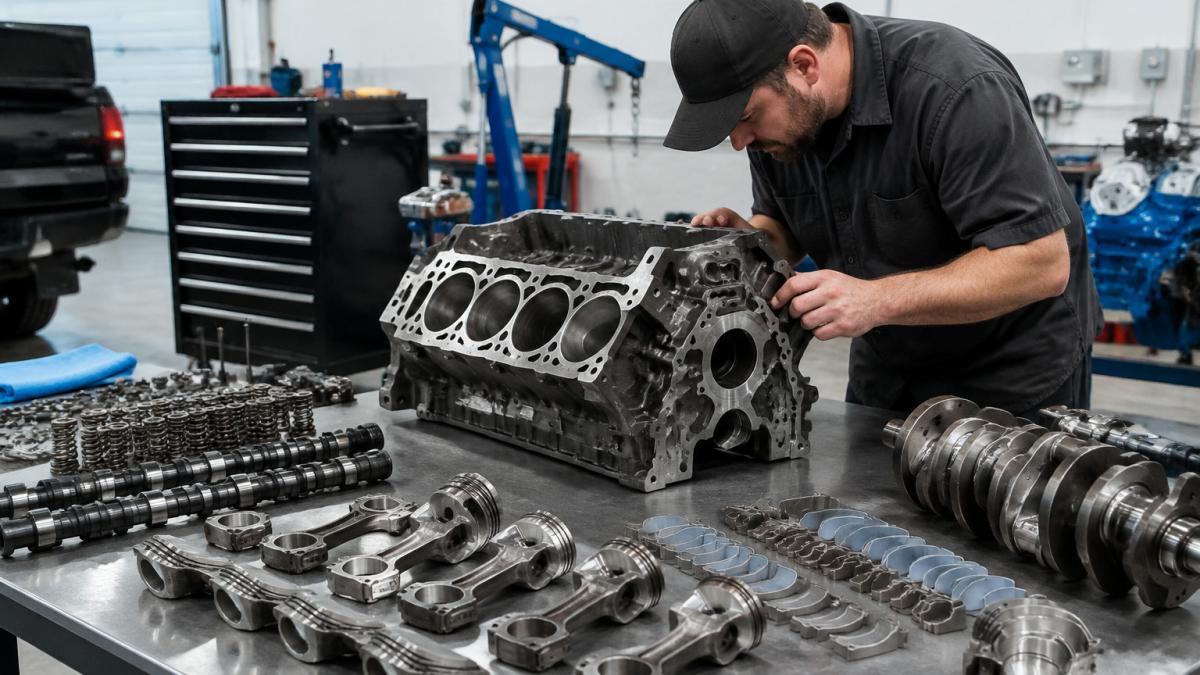
Step 1: Diagnosis and teardown
The process starts before any bolt is turned. A compression test, cylinder leak-down test, oil pressure reading, and a scan for stored codes establish a baseline. If the engine still runs, an oil sample can reveal bearing material or coolant contamination that points to a specific failure.
Teardown then proceeds in a fixed order: intake and exhaust manifolds, accessories and brackets, valve covers, timing drive, cylinder heads, oil pan, then pistons, connecting rods, crankshaft, camshaft and lifters. Every fastener and component is bagged and tagged by location. On Ford modular and Coyote engines, the timing chains, tensioners and phasers come off as a set and are kept together; on pushrod engines such as the 5.0L and 351W, the distributor drive and lifter order matter and should be recorded.
Step 2: Component inspection and measurement
Each part is inspected for wear, cracks and tolerance problems that would not show up during normal operation. A common mistake is reusing parts that look acceptable to the eye. Measurement tells a different story.
Typical checks include cylinder bore taper and out-of-round, piston-to-wall clearance, ring end gap, crankshaft journal diameter and runout, connecting rod bore size and bend, camshaft lobe lift and bearing journal wear, valve stem-to-guide clearance, and cylinder head flatness. Bearing clearances are checked with plastigauge or micrometers, and the numbers are written down. A part is cleared for reuse only when it measures inside the factory service specification for that engine family.
Step 3: Machine-shop work
Parts that fail inspection go to a machine shop. Typical work includes boring and honing cylinders to the next oversize, resurfacing cylinder heads, grinding crankshaft journals to the next undersize, line-honing main bores, and installing new valve seats or guides where needed. On aluminum Ford heads, the shop also checks for cracks between the valve seats and in the spark plug threads, which is a known weak point on some modular castings.
Ask for the clearance and runout figures before the engine goes back together.
Step 4: Parts selection and short-block assembly
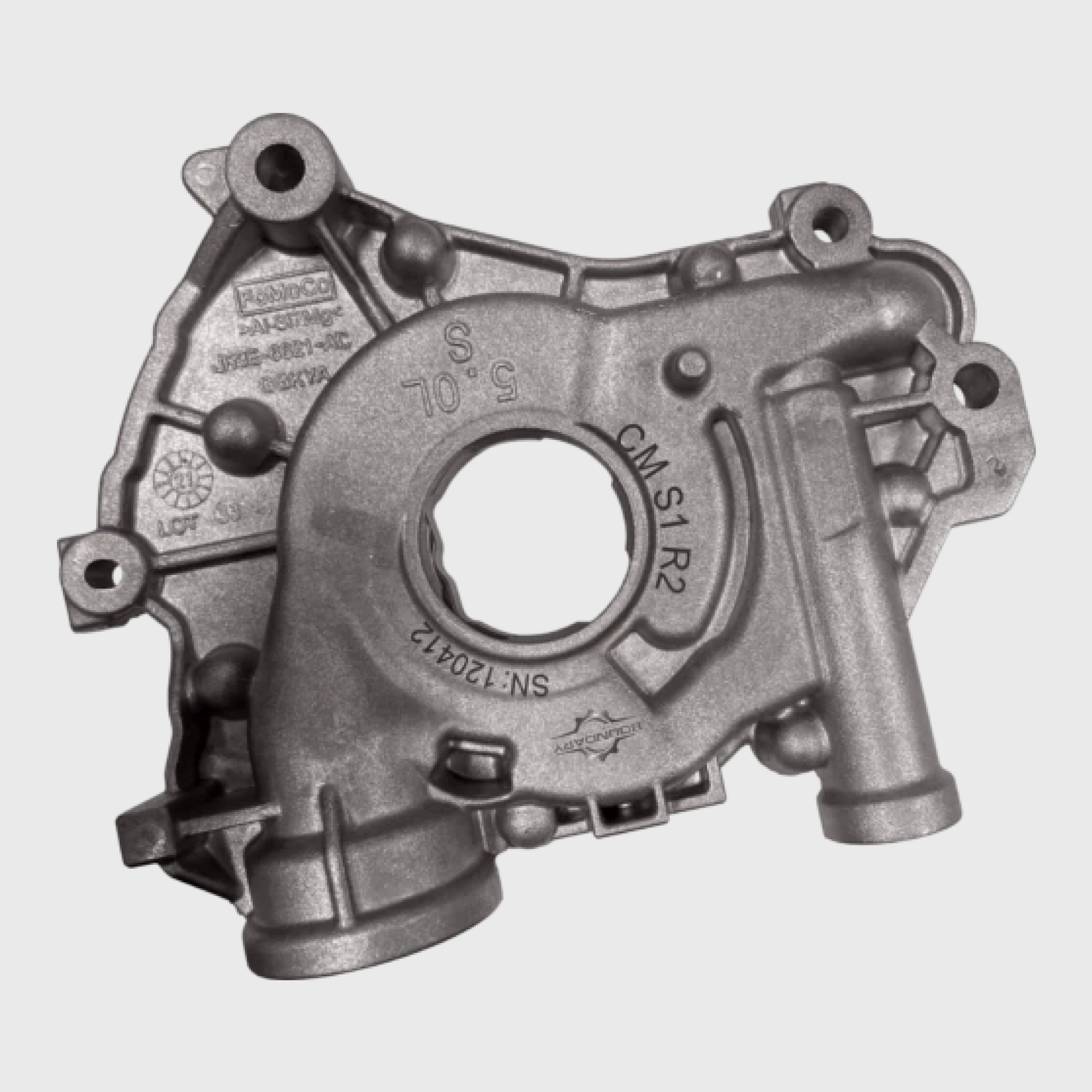
Assembly starts with a clean block, new freeze plugs and oil gallery plugs, and a final wash. The crankshaft goes in with new main bearings, clearances are verified, then pistons and rods are fitted with the correct ring gaps and orientation. The camshaft, timing set and oil pump follow. On Ford V8s, the firing order and cam timing marks must be confirmed against the specific engine family, because a 302, a 4.6L modular and a 5.0L Coyote do not share the same timing procedure.
Step 5: Top-end assembly and final checks
Cylinder heads are torqued in the factory sequence and to the factory specification, which on many Ford engines means torque-to-yield head bolts that must be replaced rather than reused. Valvetrain geometry is checked, pushrod length or cam follower preload is set, and the engine is primed with oil before the first start. A final check confirms oil pressure, valve lash or lifter preload, and that all sensors and harness connections are correct.
Step 6: Break-in and verification
A rebuilt engine is not finished when it starts. Initial startup is followed by a cam break-in period where required, an oil and filter change after the first run, and a recheck of torque on critical fasteners. A road test or dyno pull confirms oil pressure, coolant temperature and that no codes return.
Watch out: a shop that cannot show you written measurements for bore, journal and clearance figures is asking you to trust the outcome without evidence. Ask to see the numbers before assembly, not after.
Expert Ford Engine Rebuild Services Cost: What Drives the Estimate
Rebuild pricing depends on how much of the engine needs work. A rebuild that only needs bearings, seals and gaskets costs far less than one that requires a new crankshaft, machined heads and new pistons. Performance builds add further cost through upgraded internals such as forged rotating assemblies.
Most estimates break into four buckets, and asking a shop to separate them is the fastest way to compare quotes:
- Machine work. Boring and honing, head resurfacing, crank grinding, line honing and valve work are priced per operation. A basic clean-up and hone costs far less than a full bore plus new pistons, and head work on a pair of aluminum Ford heads can rival the cost of the short block work itself.
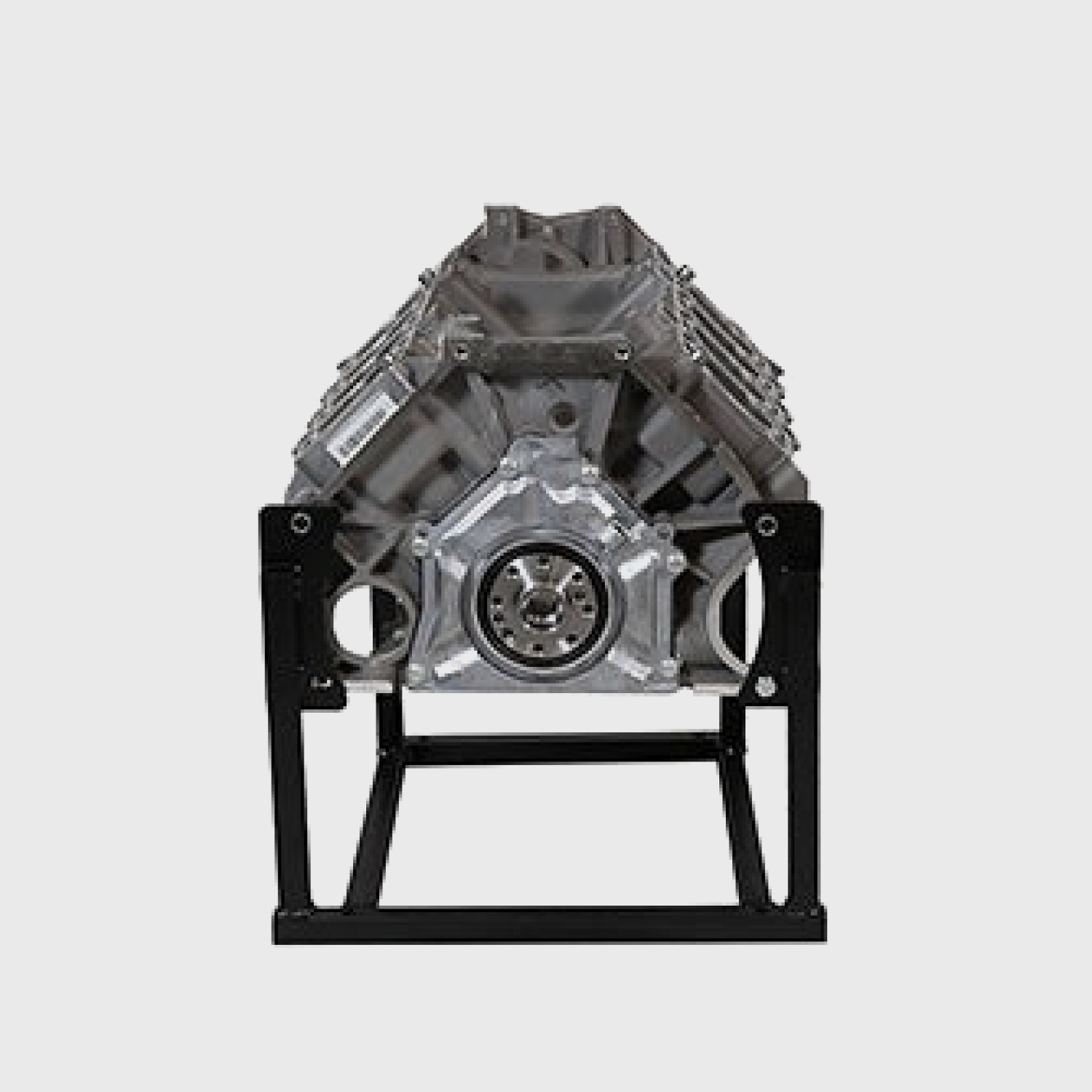
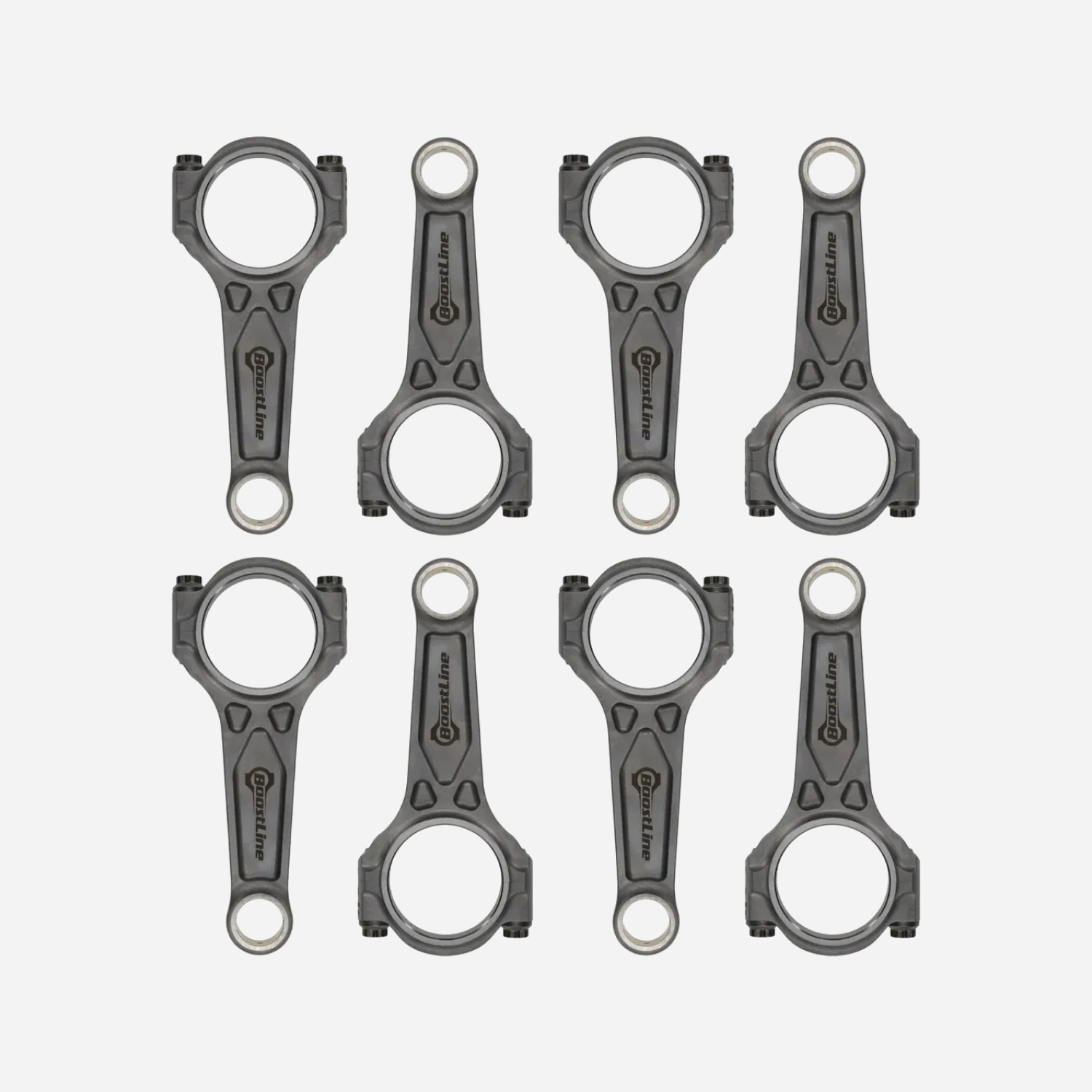
- Parts. Bearings, gaskets, seals, pistons, rings, oil pump, timing set and fasteners are the baseline. Upgraded internals move the number quickly: Paul's Automotive Engineering's product catalog includes components such as the 5.0L GEN 3 ALUMINATOR NA SHORT BLOCK 12:1 at $5,999.99 and the Wiseco FD5933-866 BoostLine Connecting Rod Kit at $1,349.99, so a build's parts list can move the total substantially.
- Labor. Disassembly, cleaning, measurement, assembly and installation are billed by the hour or as a package.
- Contingency. Every rebuild carries a reserve for what the teardown reveals. A cracked head, a scored crank journal or a block that needs line honing can add cost after the estimate is written.
Parts selection is the biggest single variable, but labor and machine work are where quotes diverge most between shops. Ask for an itemized estimate that separates parts, machine work and labor. That breakdown makes it easier to compare shops and to see where money goes.
Timeline follows the same logic. Ask the shop to state which steps are in-house and which depend on a vendor.
Watch out: a very low estimate that leaves out machine work, measurement checks or a contingency line often grows once the engine is opened up. A quote that is itemized and honest about the unknowns is more useful than the lowest number on the page.
The estimate breaks into four buckets, and each one drives cost differently.
| Cost bucket | What it covers | Cost note |
|---|---|---|
| Machine work | Boring, honing, head resurfacing, crank grinding, valve work | Priced per operation; can rival short block work |
| Parts | Bearings, gaskets, seals, pistons, rings, oil pump, timing set | Baseline cost; upgraded internals move the total quickly |
| Labor | Disassembly, cleaning, measurement, assembly, installation | Billed by the hour or as a package |
| Contingency | Reserve for issues found during teardown | Covers cracked heads, scored crank journals, line honing |
Rebuild or Replace: Deciding Between a Rebuild and a New Engine
Rebuilding makes sense when the engine block is sound and the damage is limited to wear items or a few components. It also suits owners who want to keep the original engine or build toward a specific performance goal.
Replacement may be the better choice when the block is cracked beyond repair, when internal damage is extensive, or when the cost of machining approaches the cost of a new or remanufactured unit. A new short block or crate engine can be the more practical route in those cases. The right answer depends on the specific condition of your engine, so get a written inspection before deciding.
Common Ford Engine Problems That Signal a Rebuild
Some symptoms point toward internal wear that rebuilding can address. Persistent oil consumption, low compression across cylinders, knocking that changes with engine load, and metal particles in the oil are common signs. Overheating that has warped a cylinder head or cracked a block also calls for a closer look.
These symptoms can have simpler causes, so a proper diagnosis comes first. A shop should confirm the problem before recommending a rebuild.
How to Compare Expert Ford Engine Rebuild Services and Reviews
When comparing shops, look past the marketing and ask specific questions. Does the shop perform the machine work in-house or outsource it? Does it provide written measurements? Can it explain which parts it recommends and why?
Reviews help, but read them for specifics. Comments about clear communication, accurate estimates and on-time delivery are more useful than general praise. Paul's Automotive Engineering has been serving Mustang and Ford enthusiasts since 1984 and brings over 100 years of combined experience to its work.
Watch out: a very low estimate that leaves out machine work or measurement checks often grows once the engine is opened up.
Ford Engine Rebuild Warranty and Aftercare After Your Rebuild
A rebuild warranty should be written and specific about what it covers, for how long, and whether it includes labor. Ask about this before work begins, not after a problem appears.
After the rebuild, break-in procedures matter. Follow the shop's instructions on oil changes, initial startup and gradual loading. Good aftercare protects the work you paid for.
Booking Your Ford Engine Rebuild With Paul's Automotive Engineering
If you are ready to move forward, start by describing your engine, your goals and any symptoms you have noticed. Email to schedule your appointment and get a clear picture of what your build will involve.
Frequently Asked Questions
How much does it cost to rebuild a Ford engine?
Costs vary by engine family, the extent of damage, and whether parts are upgraded. Ask any shop for a written estimate that itemizes machine work, parts, assembly labor and any additional repairs, so you can compare quotes on equal terms.
Is it cheaper to rebuild an engine or replace it?
It depends on the condition of the original block and cylinder heads, the cost of a replacement engine, and how much of the rebuild the shop can salvage. A rebuild is often worthwhile when the block is sound and the vehicle is otherwise in good shape. Replacement can make more sense when the block is cracked or the damage is extensive. Have the shop inspect the core components before you decide.
What warranty should I expect on a rebuilt Ford engine?
Warranty terms differ by shop, so get them in writing before work begins. Ask whether the coverage applies to parts, labor or both, how long it lasts, and whether it is measured in months or miles. Also confirm what voids the warranty, such as improper break-in or missed maintenance. A clear written warranty is one of the best indicators of a shop's confidence in its work.
How do I know whether my Ford engine needs a rebuild?
Common signs include persistent oil consumption, low compression on one or more cylinders, knocking that changes with engine load, coolant mixing with oil, and metal debris in the oil. A diagnostic inspection can confirm the cause. Many shops offer free diagnostics, so you can get a professional assessment before committing to any repair.


